WHERE TO BUY
 VISIT OUR BLOG
 CONTACT US


When waterfront and nearby industrial structures face salt, storms, and constant moisture,...
When waterfront and nearby industrial structures face salt, storms, and constant moisture, traditional decking materials deteriorate. Fiberglass-reinforced plastic or FRP decking provides a resilient alternative engineered to withstand harsh coastal and marine environments, and stay strong even in severe weather.
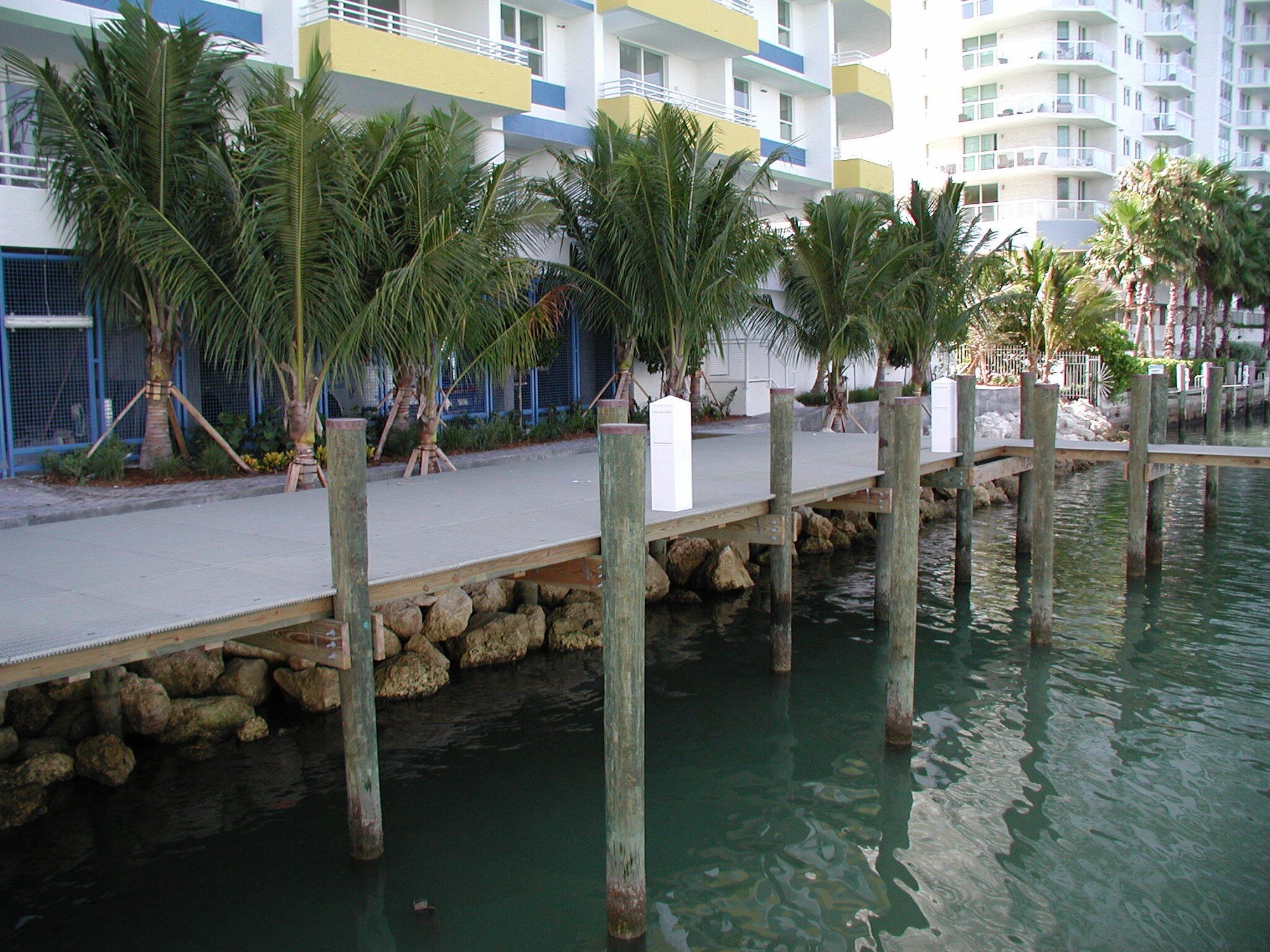
Pultruded FRP grating boardwalk
The Challenge: Choosing the Right Decking Materials in Harsh Coastal and Industrial Environments
Coastal and industrial decks are subjected to some of the most challenging conditions in construction. Saltwater exposure, UV degradation, freeze-thaw cycles, and heavy mechanical loads all shorten the lifespan of traditional materials.
- Wood can swell, rot, or splinter when repeatedly exposed to salt and humidity.
- Steel requires ongoing maintenance to prevent corrosion and rust.
- Conventional wood-plastic composites, while resistant to rot, can still warp or delaminate under prolonged UV exposure and repeated temperature swings.
For engineers designing climate-resilient infrastructure, the challenge is finding a long-lasting deck material that maintains its structural integrity and slip resistance over decades, not just years. That’s where FRP technology excels.
What Is FRP Decking?
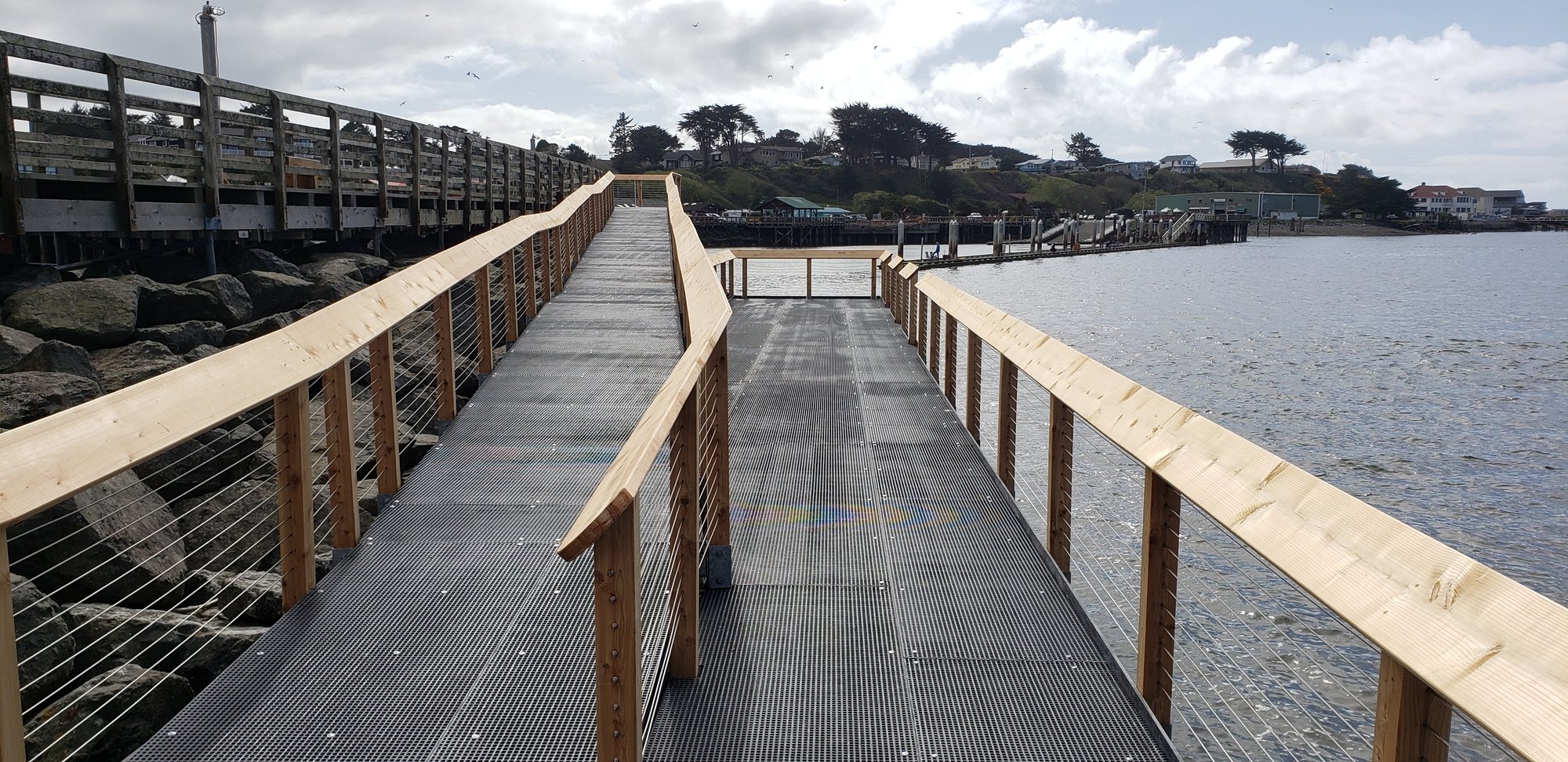
Molded grating FRP decking fishing pier
FRP decking is made from fiberglass-reinforced plastic—a material that combines strength, light weight, and corrosion resistance. Fibergrate offers a range of grating types to meet the needs of various applications, including molded grating, pultruded decking, and structural shapes, all engineered to perform in humid, saltwater, and chemically exposed environments.
Because FRP is corrosion-resistant and electrically non-conductive, it’s a smart and safe choice for docks, marinas, and waterfront walkways. FRP systems can be easily installed in pedestrian areas, platforms, and bridges, helping facilities remain durable and low-maintenance for years to come.
Why Fiberglass Dock Grating Excels in Harsh Environments
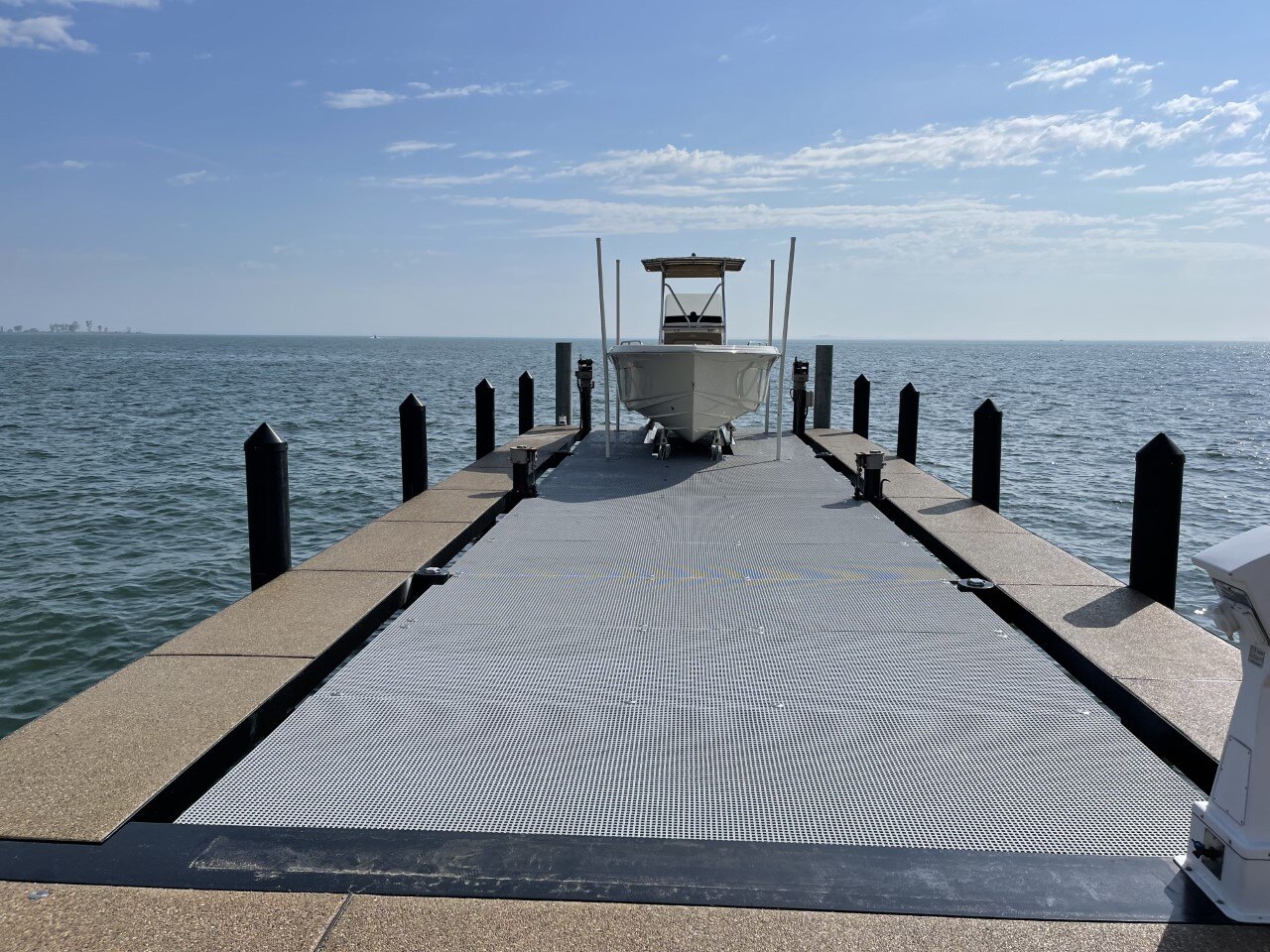
Micro mesh boat hoist
Storm and Impact Resilience: FRP marina grating can endure hurricane-force winds, flying debris, and water pressure surges, maintaining load performance long after traditional decking has failed.
Corrosion Resistance: FRP does not rust, warp, or decay when exposed to saltwater or industrial chemicals. Its performance remains consistent, even after years of submersion or tidal impact.
Slip Resistance: Molded and pultruded FRP surfaces can be manufactured with gritted or textured finishes, offering slip-resistant footing in wet or oily conditions.
Maintains Structural Integrity: Because FRP doesn’t rely on metal fasteners for structural integrity, it resists deterioration caused by oxidation or galvanic corrosion, ensuring its position as a long-lasting deck material that remains safe and stable for decades.
Application Use Cases of FRP Decking
Fiberglass dock grating has been field-proven across marine and recreational infrastructure worldwide.
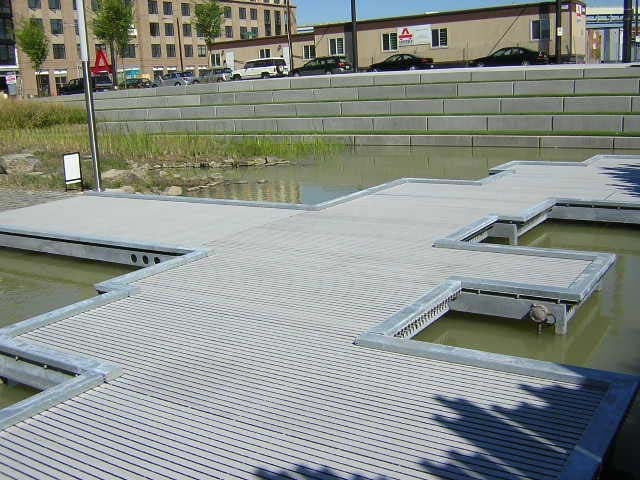
Pultruded grating on a pontoon boardwalk
At Tanner Springs Park, a pultruded FRP boardwalk was chosen to replace traditional wood decking that was exposed to constant moisture. The result was a pedestrian walkway with high load capacity, reduced maintenance intervals, and a surface that retained traction despite year-round rain.
Similar applications include ferry terminals, marina grating access platforms, pedestrian bridges, and storm-prone docks where corrosion and UV degradation are persistent threats.
The Role of FRP in Climate Resilient Infrastructure
As coastal cities and industrial ports strive to enhance their infrastructure against increasingly extreme weather, FRP decking plays a crucial role in fostering long-term resilience. Its inert composite structure resists saltwater intrusion, chemical exposure, and freeze-thaw fatigue - making it ideal for bridge walkways, ferry docks, and piers.
Unlike metal or timber systems that degrade with each weather cycle, FRP retains its strength and corrosion resistance, helping reduce long-term rebuild and maintenance costs. By extending replacement intervals, FRP supports infrastructure that can recover more quickly after hurricanes and floods, maintaining safety and operational uptime when it matters most.
Durable FRP Performance Where It Matters Most
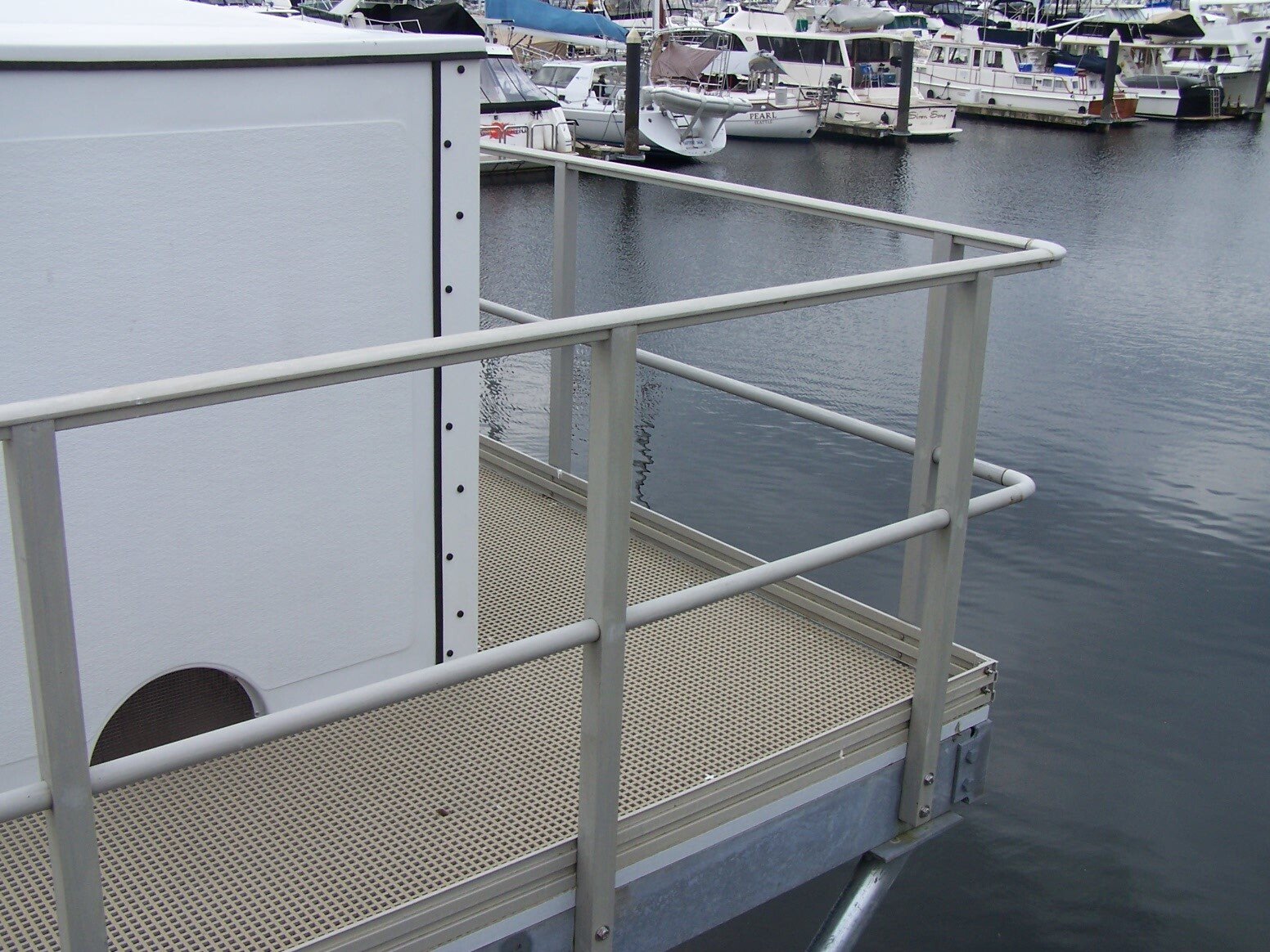
Fiberglass dock grating
In hurricane-prone regions and heavy-use marine settings, FRP decking delivers where traditional materials fall short. It combines high strength, corrosion resistance, and slip-safe design into one system that performs reliably in the harshest environments.
Fibergrate’s engineered FRP decking, fiberglass dock grating, and marina grating systems continue to set the standard for long-term resilience in coastal and industrial infrastructure.
Contact Fibergrate today to discuss your project needs or to request assistance with specifications.
FAQ
How does FRP decking perform compared to treated wood in marine conditions?
FRP resists rot, warping, and swelling, offering a significantly longer service life with reduced repair cycles than treated wood in marine conditions.
Is fiberglass dock grating suitable for heavy pedestrian or light-vehicle loads?
Yes. Fibergrate’s fiberglass dock systems are engineered to meet structural load standards for walkways, platforms, and light-duty service vehicles.
What maintenance is required for FRP decking over time?
Routine inspection and washing are typically sufficient; no painting, sealing, or coating is required, which makes FRP a long-lasting deck material.